Ram Jhula, Laxman Jhula and the river between them
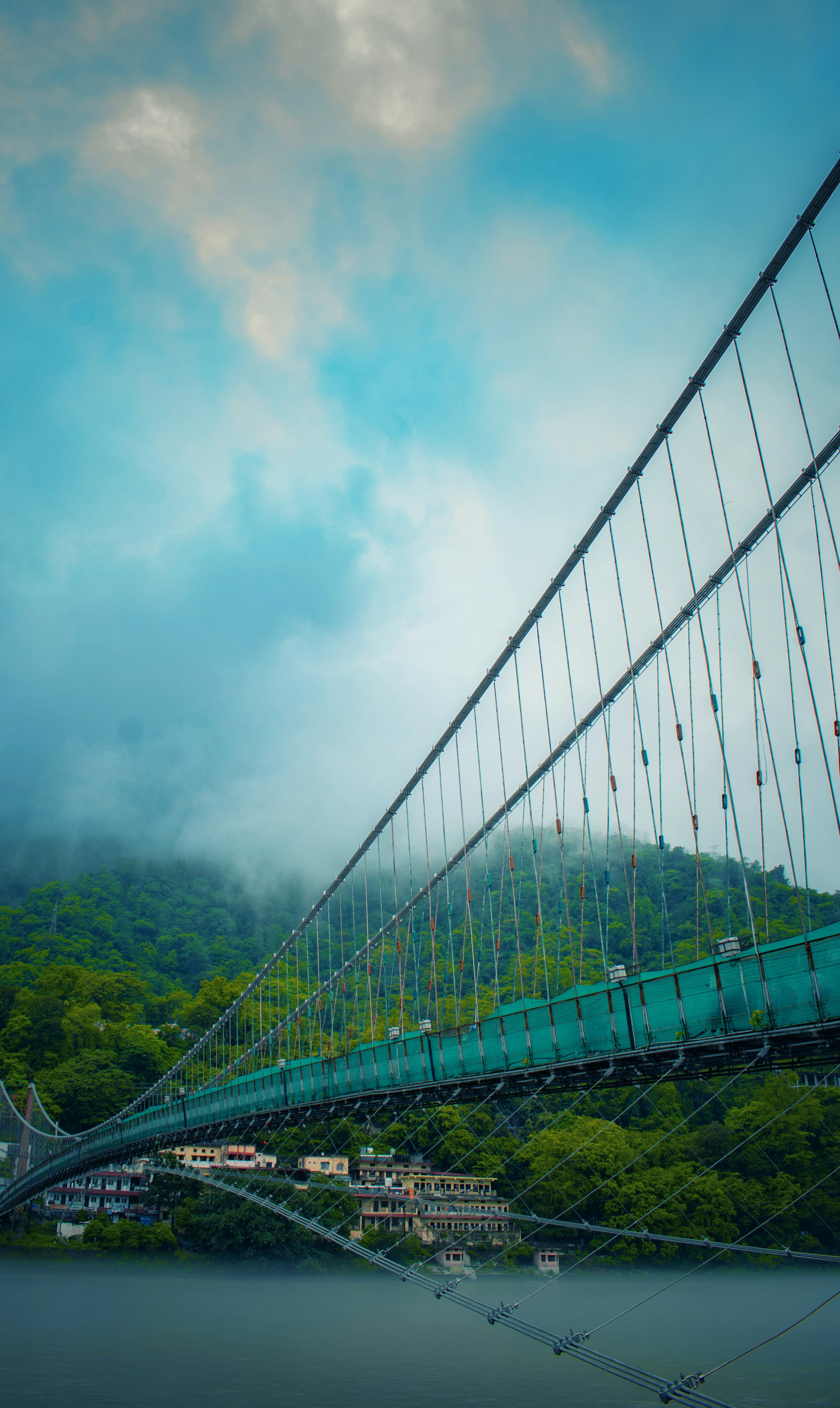
Rishikesh is two banks of the Ganga joined by footbridges. How to get around on foot, and what has changed at Laxman Jhula.
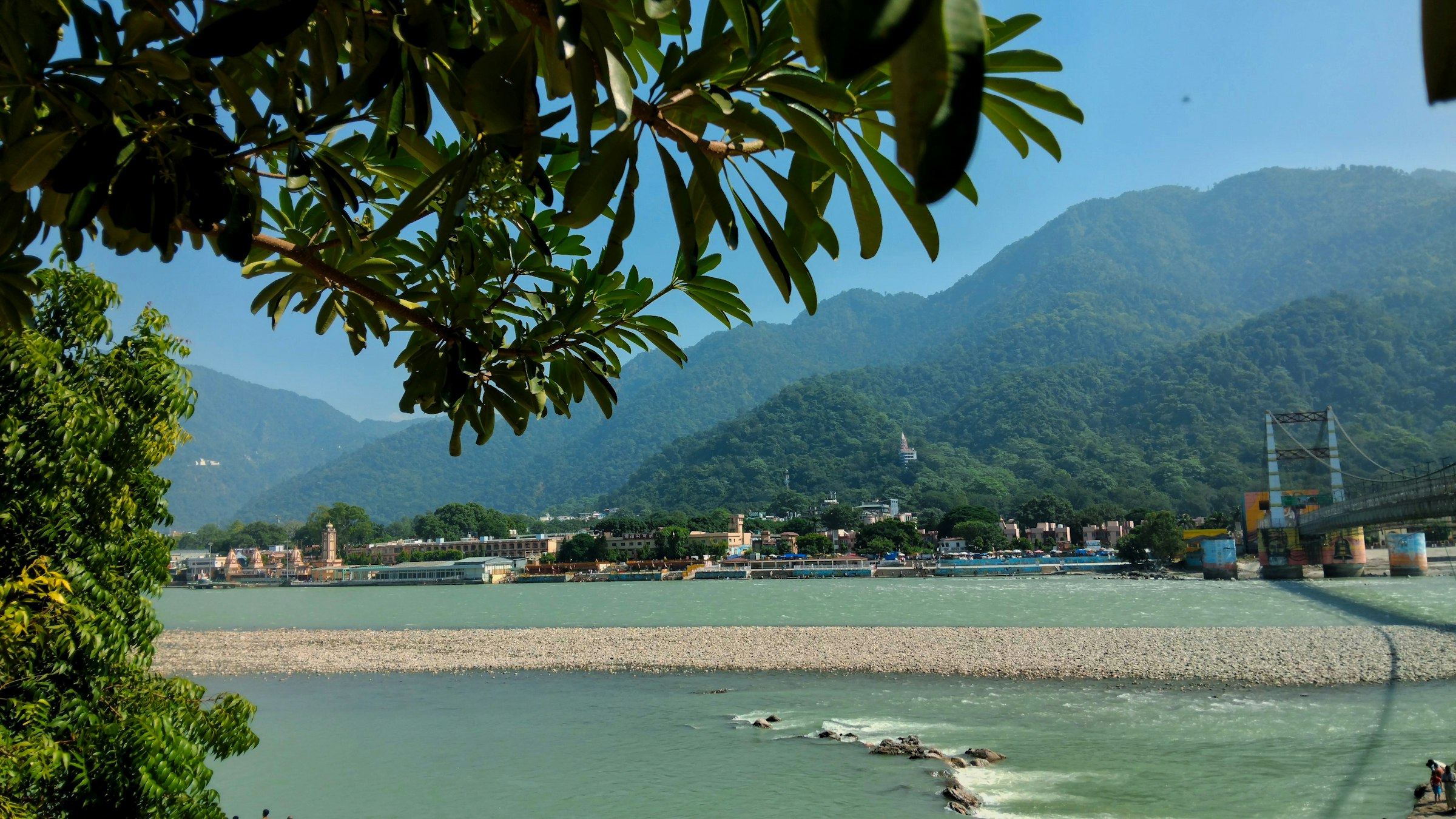
Rishikesh is easy to understand once you know it is built on both banks of the river, with suspension bridges in between. Cars stay on the main roads; on the bridges it is people, scooters and the occasional cow.
Ram Jhula
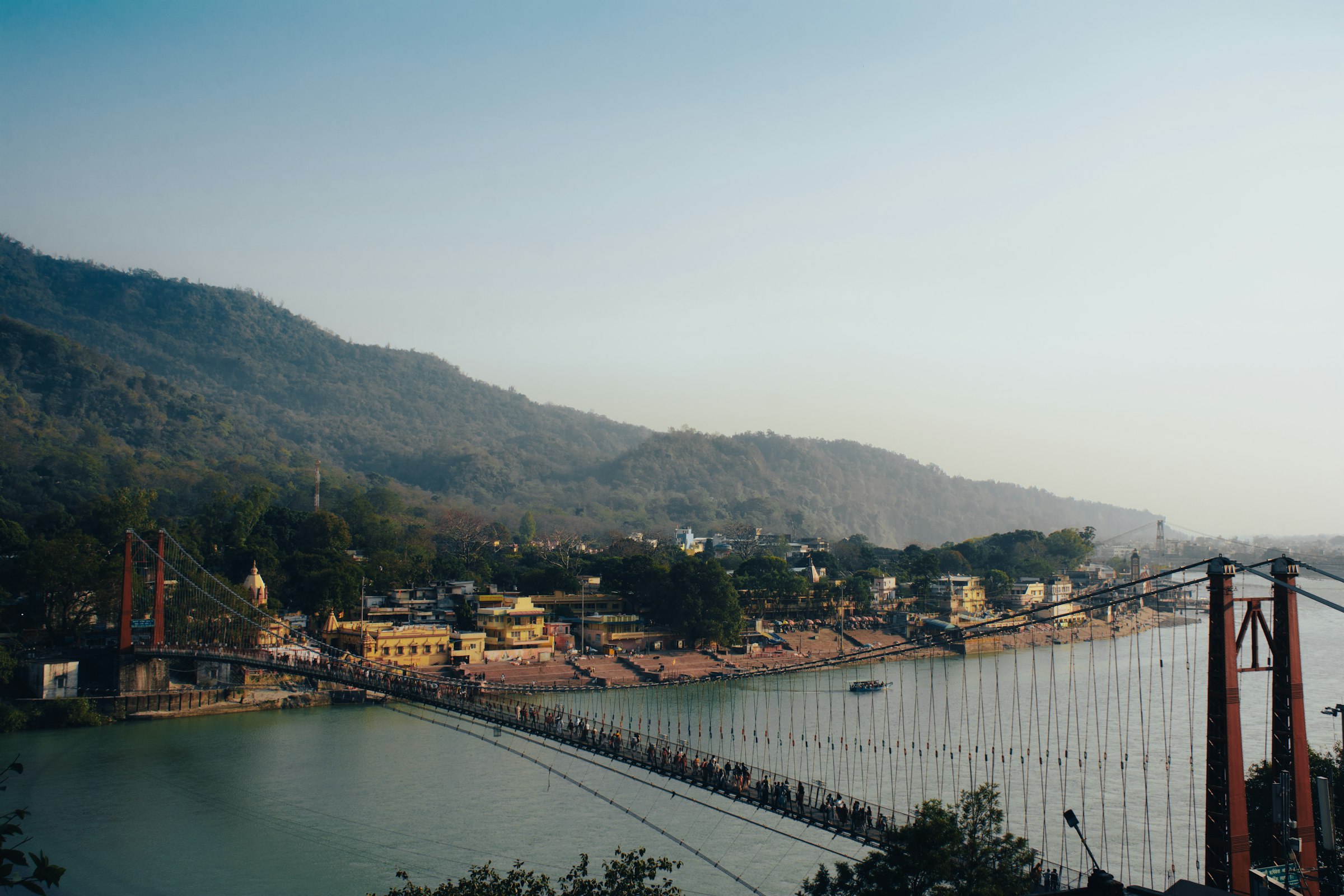
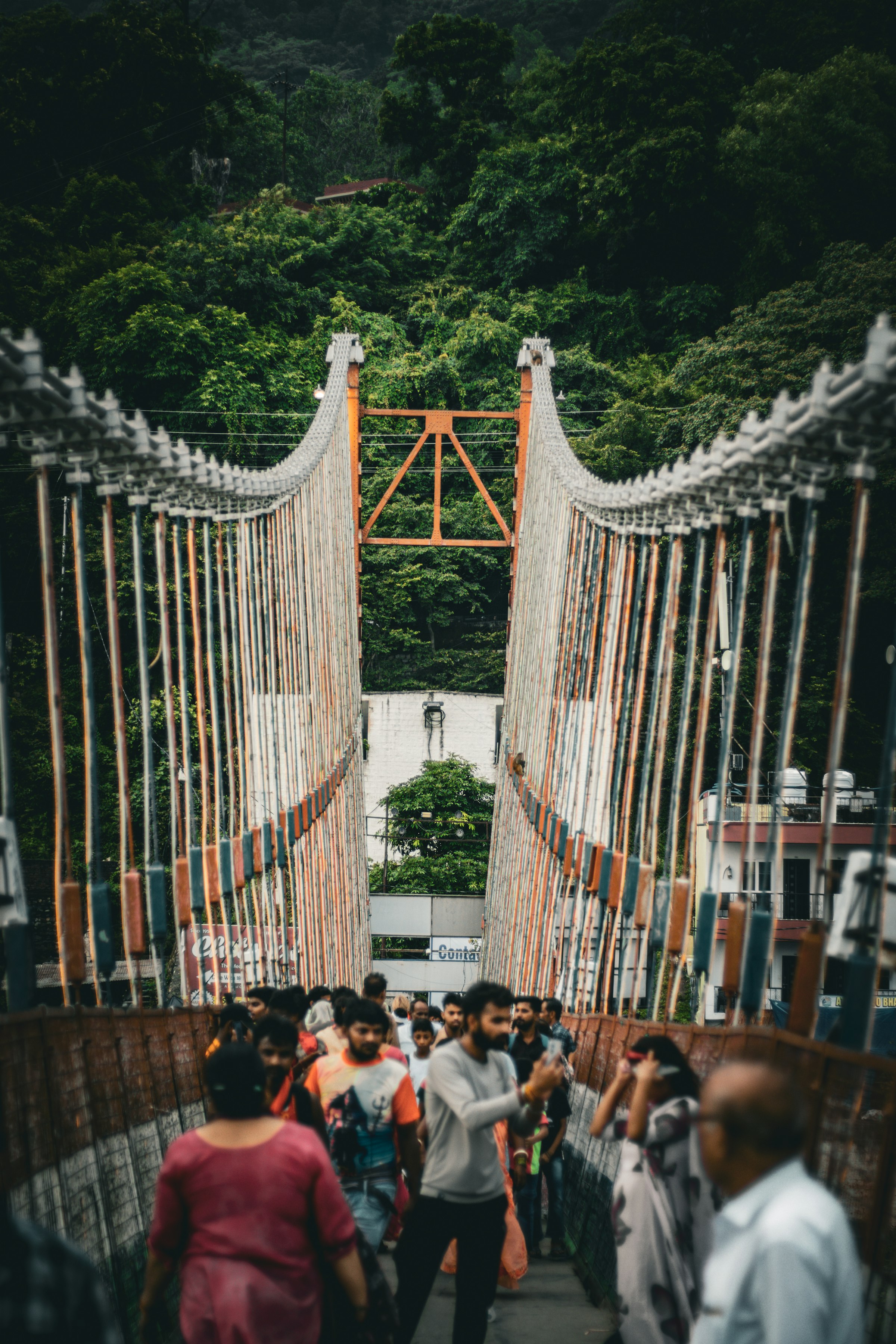
Ram Jhula is the busier crossing, linking the Sivananda Ashram side to Swarg Ashram and Parmarth Niketan. Walk across in the morning for the view upstream to the hills, and expect the bridge to sway a little as you go.
Laxman Jhula
The old iron bridge at Laxman Jhula, built around 1930, was closed to the public in 2022 for safety. A new bridge has been under construction beside it. Check locally which crossing is open before you plan a walk around it.
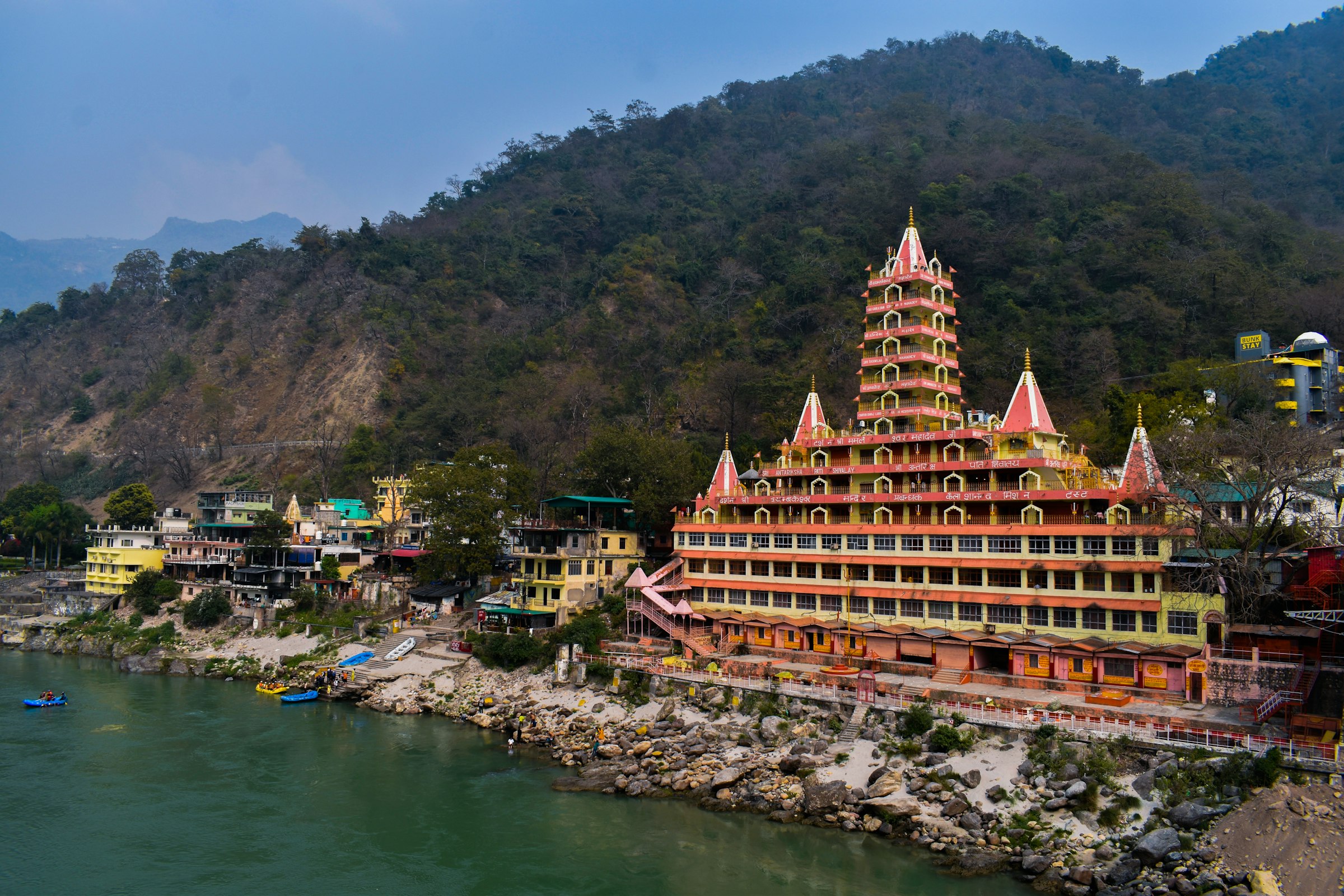
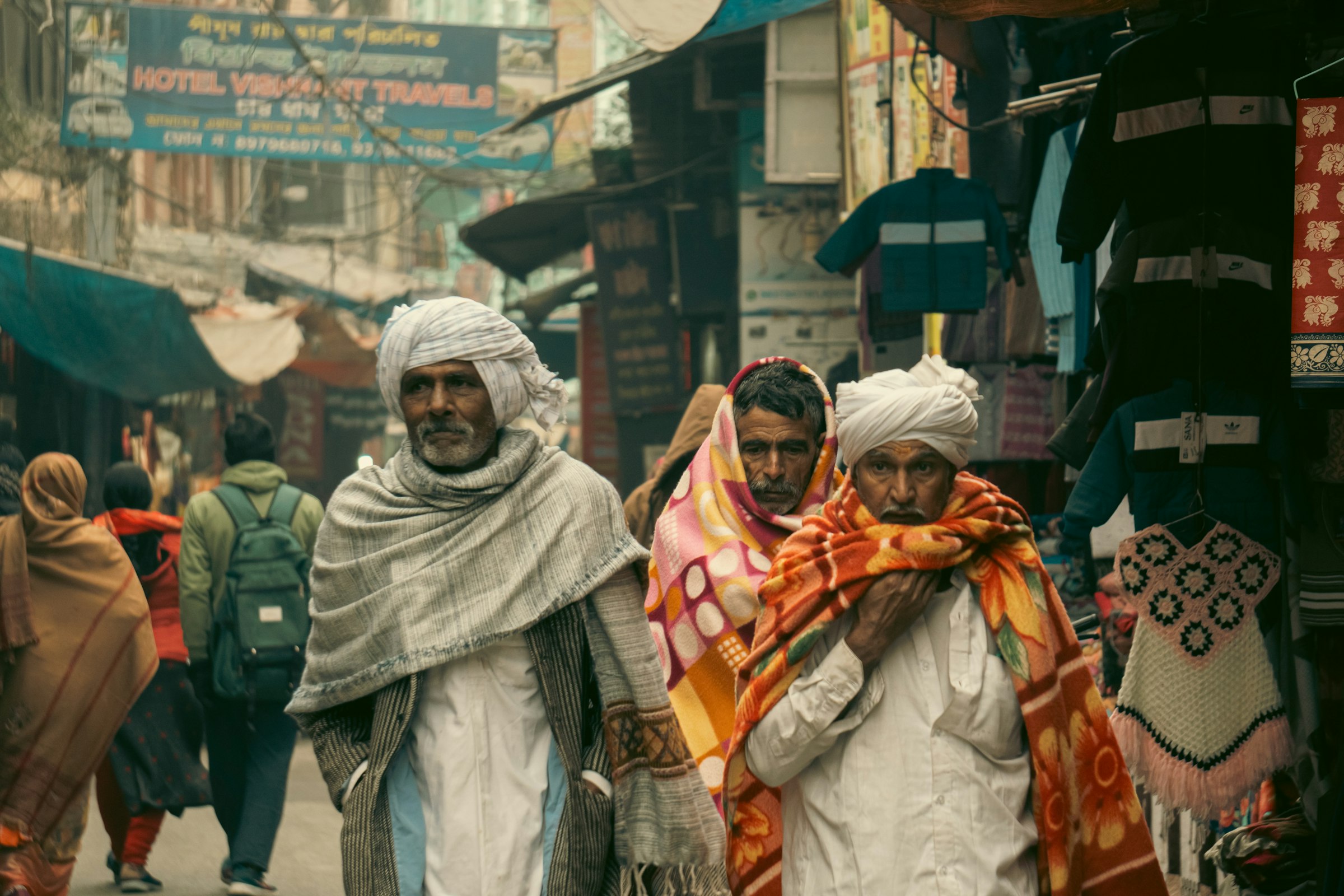
The streets on either side are still worth exploring, with cafés looking over the river, shops selling shawls and brass, and temples rising in tiers on the eastern bank.
Along the banks
Between the bridges, ghats step down to the water. The current is strong even when the surface looks calm, so paddle only where others do and never swim alone.
A town without alcohol
Rishikesh is vegetarian and does not serve alcohol in the main town. Most visitors find the cafés more than make up for it.
Let us book your home.
Tell us where the home is and what it is. We will come back with what it should earn and the fee that applies.
Get started